
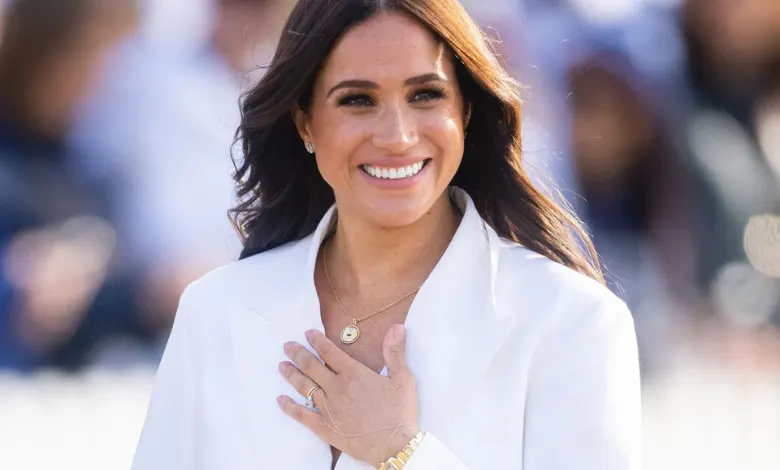
Meghan Markle has once again become the subject of intense online speculation, as conspiracy theories about her reproductive health resurface across social media platforms. This time, the unfounded rumor alleges that she may have undergone a hysterectomy and is therefore unable to have biological children.
The speculation, lacking any credible source, is being driven by online communities that have long targeted Prince Harry’s wife. These fringe claims have existed for years but recently gained traction following Meghan’s latest public appearances. Critics have recycled conspiracy theories suggesting she did not give birth to Prince Archie, born in 2019, and Princess Lilibet, born in 2021.
The rumors, which first gained attention on anonymous online forums, are now being circulated widely through video blogs, TikTok posts, and Reddit threads. Much of the speculation centers around the lack of detailed birth disclosures from the Sussexes. Some claim that the absence of hospital photos, birth certificates, or traditional royal announcements fuels doubt.

Royal observers, however, have condemned the narrative as deeply inappropriate and speculative. According to BBC News, these theories have been labeled “invasive and damaging, particularly given the couple’s ongoing concerns about privacy and media intrusion.”
No reputable publication or source has ever presented evidence suggesting that Meghan Markle used a surrogate or underwent any fertility-related medical procedures. Sources close to the couple have consistently dismissed such claims as “false and hurtful.” A spokesperson for the Duke and Duchess has not issued a statement regarding the latest wave of speculation, but insiders maintain there is “no truth whatsoever” to the hysterectomy or surrogacy allegations.
Despite repeated debunkings, these conspiracies seem to persist, particularly in anti-Sussex digital spaces. Analysts say it points to a larger trend in how certain segments of the internet respond to public women—especially women of color in high-profile positions. Meghan’s entry into the British royal family in 2018 marked a moment of significant public attention, but also drew an onslaught of criticism, much of it racially coded.
Since stepping back from their royal roles in 2020, Prince Harry and Meghan have remained highly visible through their work with Archewell and various media ventures. Their decision to maintain a level of privacy about their children’s upbringing has clashed with expectations traditionally placed on members of the Royal Family, particularly regarding transparency during major life events such as births.
However, it is worth noting that other royal family members have also exercised varying degrees of discretion regarding their private lives. The difference in how that discretion is received seems to be what fuels the controversy. Meghan’s choices are often interpreted through a lens of skepticism rather than respect for personal boundaries.
Medical professionals and royal correspondents alike have emphasized the importance of respecting health privacy, particularly when no medical details have ever been confirmed by the couple. As The Guardian reported in a 2021 feature, “speculative reporting about a woman’s body—especially without evidence—sets a troubling precedent in royal media coverage.”
The renewed hysterectomy rumor arrives at a time when public interest in the Sussexes remains high. But those close to the family insist that such gossip is not only factually incorrect but also emotionally damaging. “The focus should be on their humanitarian work, not on internet hearsay,” said one royal analyst, speaking anonymously due to the sensitive nature of the topic.
Meanwhile, Prince Harry, who has previously spoken about the psychological toll of tabloid culture, continues to advocate for responsible journalism. His memoir and recent interviews often reference the harms of unfounded speculation—not just on him and Meghan, but on their children.
The origin of the current hysterectomy claim can be traced back to a now-deleted forum thread that misrepresented medical literature and relied heavily on visual “evidence” from paparazzi images. The theory has since been debunked by medical experts who highlight that hysterectomies, when they do occur, are private matters, and cannot be diagnosed via social media posts or photographs.
Yet, the cycle of misinformation remains difficult to break. Social media platforms like X (formerly Twitter) and YouTube serve as echo chambers for unfounded theories, and even when posts are flagged or removed, the narratives tend to resurface.
The couple’s silence is viewed by some as an intentional move to avoid giving weight to rumors. However, for supporters of Meghan, the lack of public rebuttal reflects the couple’s desire to rise above the noise, rather than dignify misinformation with a response.
Still, the targeting of Meghan Markle through invasive conspiracies marks another chapter in the ongoing saga between the Sussexes and their critics. What makes it particularly troubling is the persistence of claims already disproven, often weaponized as a means to question her role as a mother and her authenticity as a public figure.
It is clear that these narratives say more about the culture that produces them than about the woman at the center of them. Until there is a broader shift in how royal women—especially those outside traditional norms—are discussed in the media, these unfounded rumors may continue to haunt public discourse.
For now, there remains no comment from Prince Harry or Meghan Markle, and no evidence to support the claims. The facts, as they’ve always been, remain unchanged.